Option 01
CREATIVE DIRECTION / GENERATIVE IMAGERY / LATIN AMERICA
AI Art Direction
Prompt Workflows
Approval Platform
01 / THE PROJECT
Art directing the images, the prompts and the review experience for culinary tourism across Latin America.
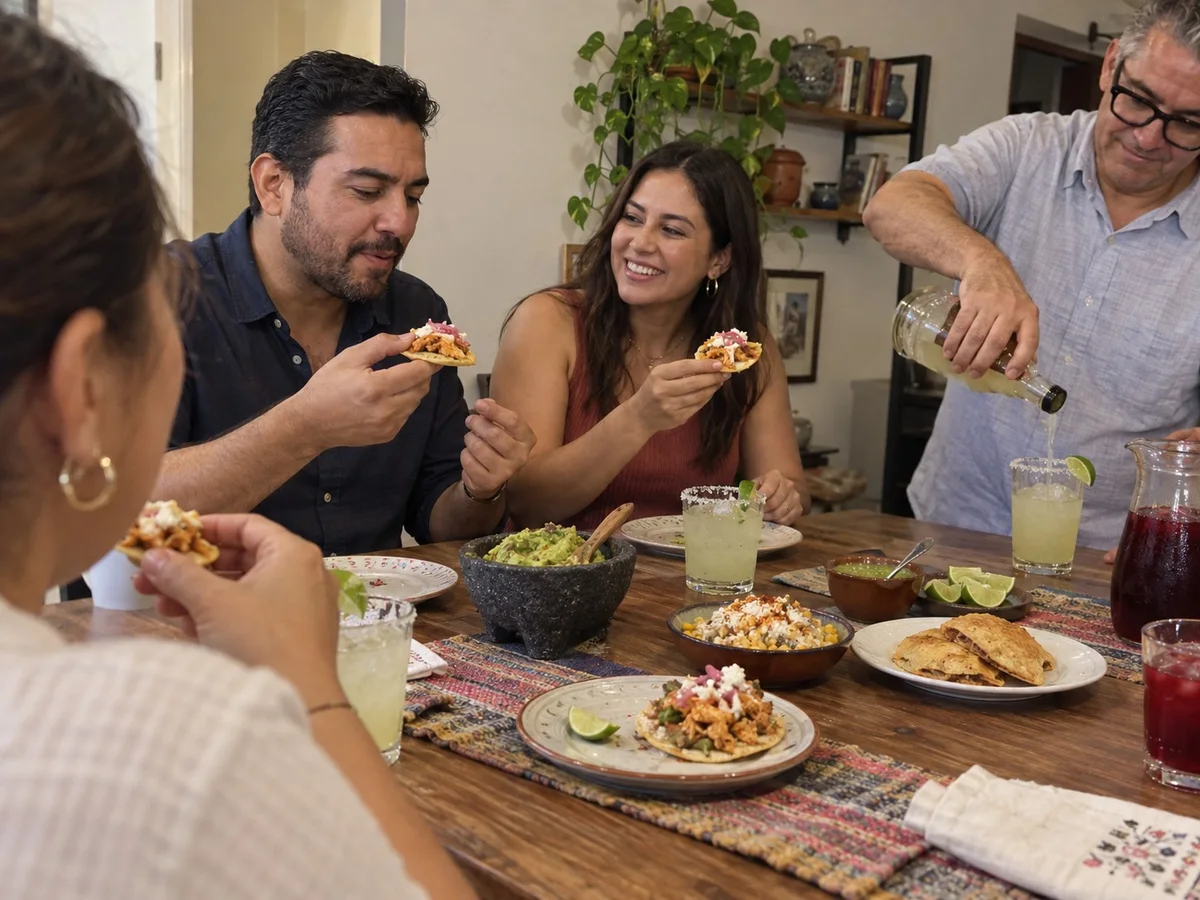
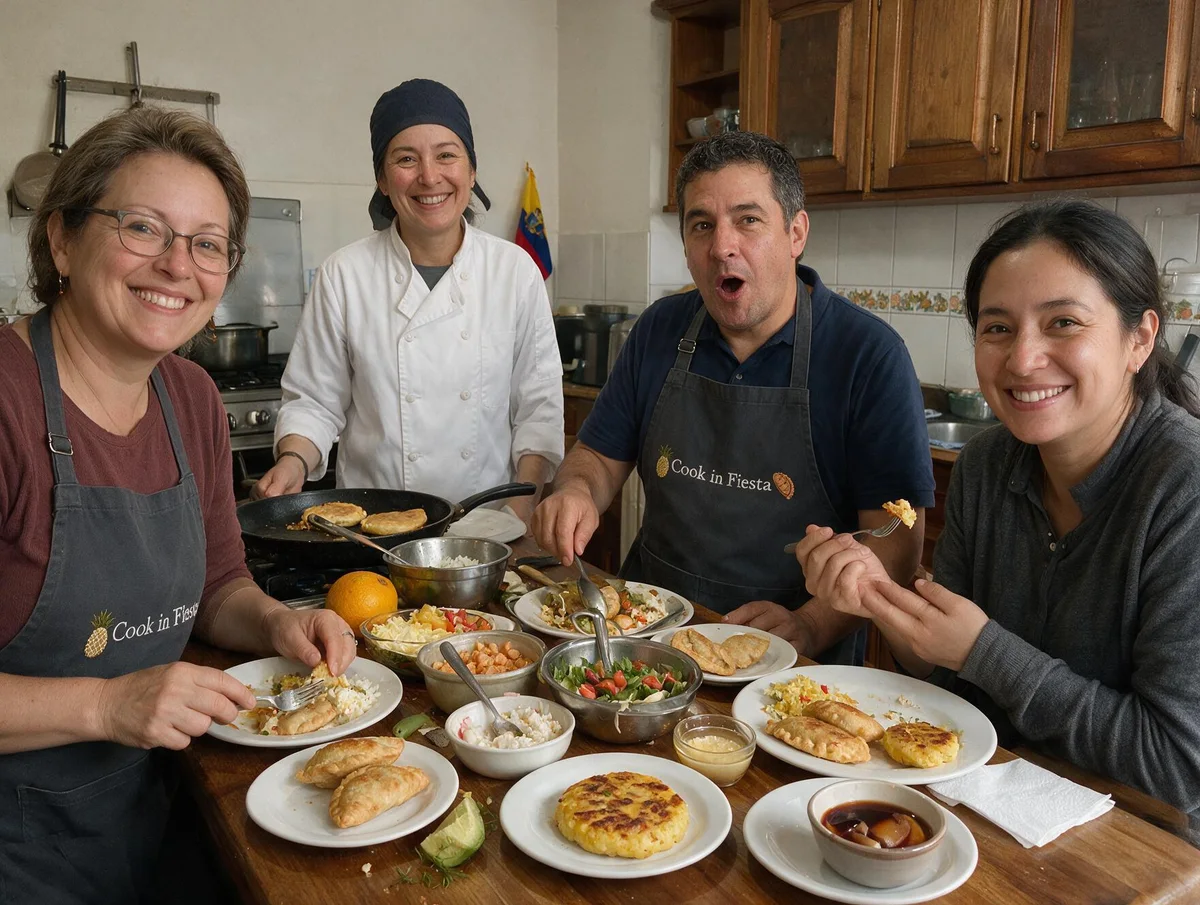
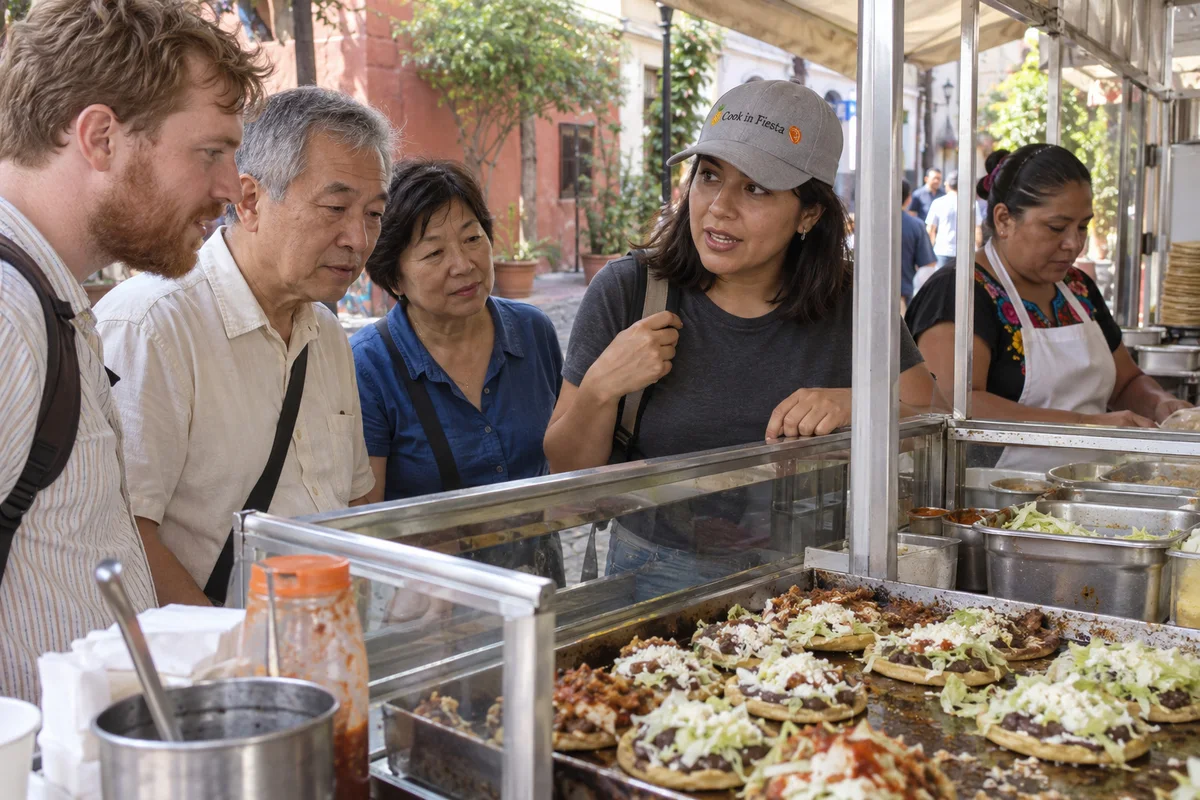
The brief brought together cooking classes, food tours, tastings and other food-related activities. The collection needed to feel cohesive while giving each experience its own people, surroundings and culinary context.
My role connected photographic direction, contextual prompt generation and a dedicated approval platform. The interface was a central part of the production system: the place where the client evaluated the images and the feedback that informed the next round was recorded.
02 / A BRIEF BUILT FROM REAL PLACES
Each image began with a country, a city and an actual culinary experience.
The production brief combined the experience’s menu, casting, activity and brand with photographs supplied by the client. Real kitchens and instructor environments, when available, anchored the architecture, surfaces, utensils and light.
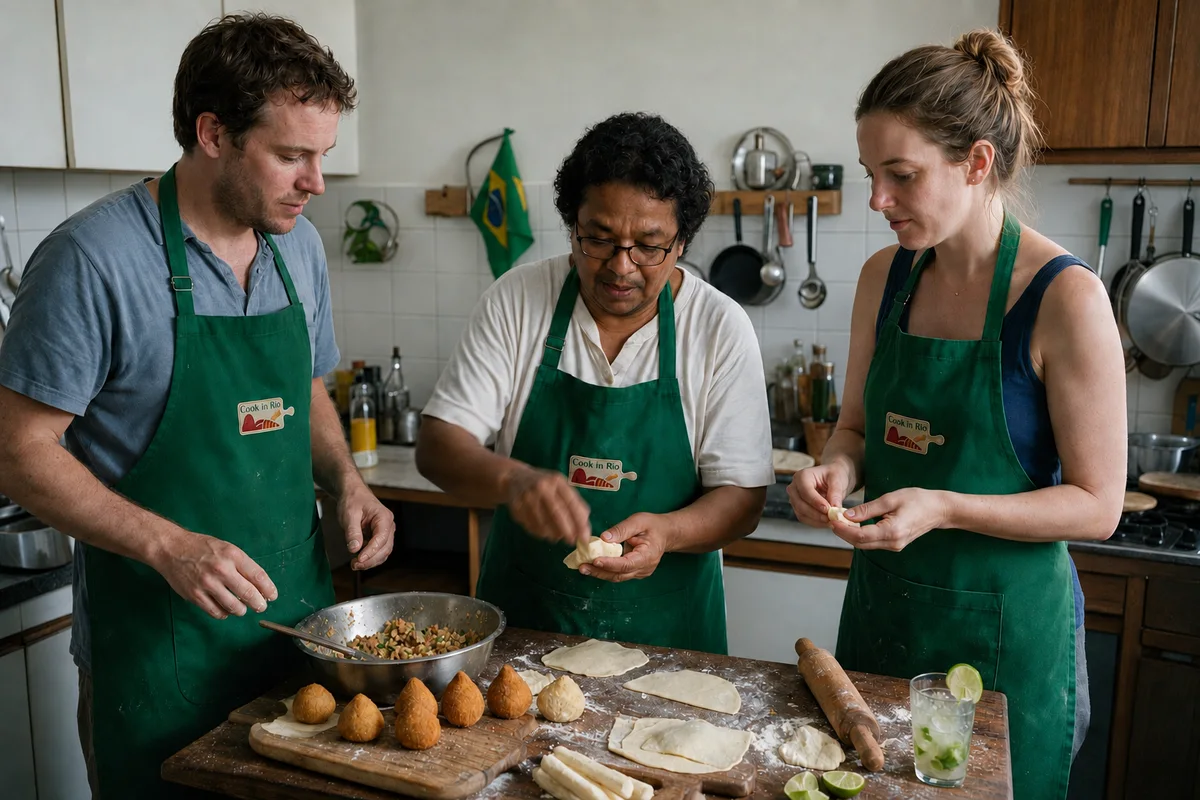
The photographic reference had a different job: showing how people occupied a room, overlapped, cooked and photographed each other. A Brazilian reference could inform the casual camera language without importing its kitchen, flag or food into another country.
03 / THE PHOTOGRAPHIC DIRECTION
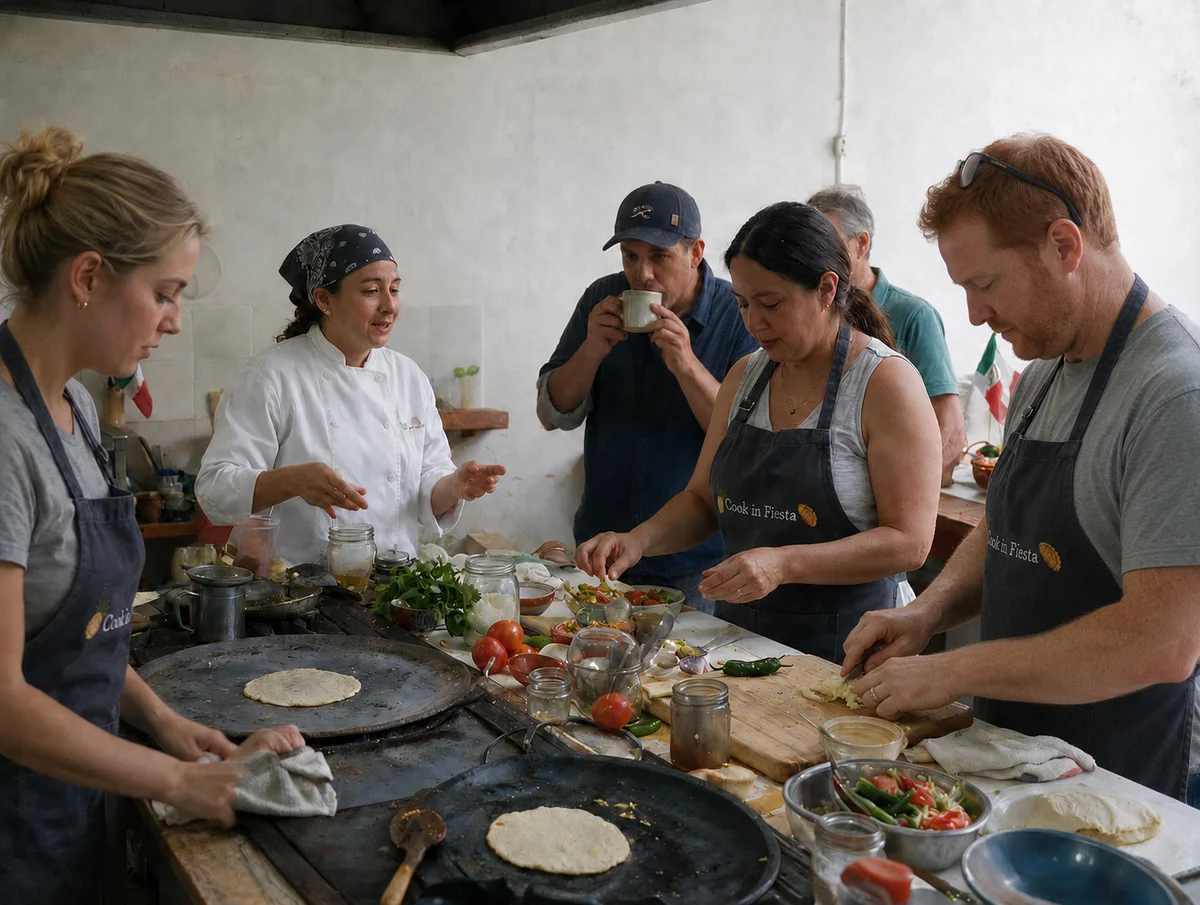
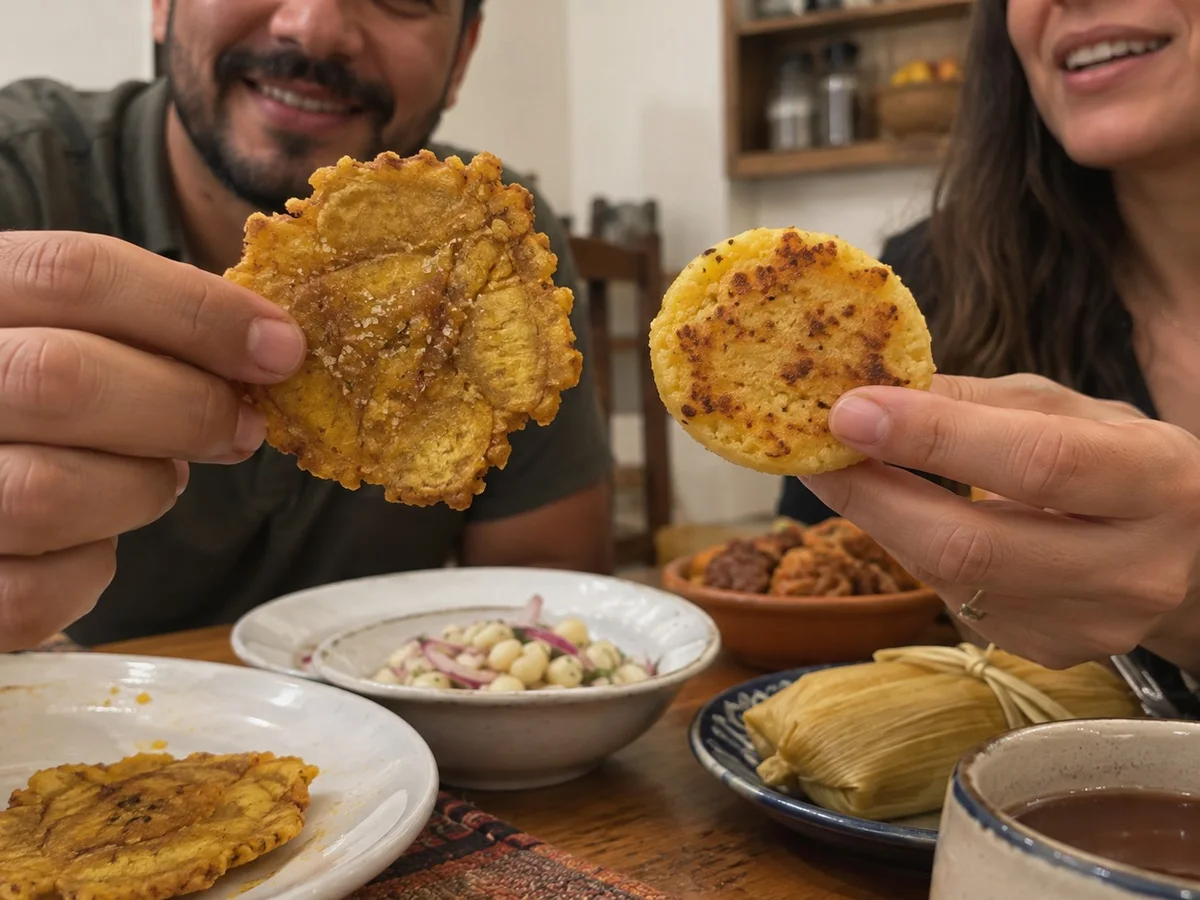
The brief called for amateur cellphone photographs: authentic, unstaged snapshots that feel like the real experience.
Beautiful composition and a professional photographic finish were not priorities. The images needed to feel like something a participant might casually take during a class, a food tour or a shared meal.
I directed the images toward the everyday language of smartphone photography: imperfect framing, incidental crops, ordinary surroundings and people absorbed in what they were doing. The aim was to convey the experience as lived, rather than arrange a scene for the camera.
VISUAL PRINCIPLES
Allow ordinary room light, uneven exposure or direct cellphone flash when it suits the scene. A professional lighting setup was not the goal.
Keep kitchens, markets and tables in focus. The setting carries part of the story.
Allow off-centre subjects, overlaps and incidental crops that feel captured in the moment.
People cook, taste, talk and observe. Their expressions and gestures do not need to match.
Keep variation in skin, ingredients, clothing and working surfaces. Avoid the overly finished image.
Direct food, preparation methods and surroundings around the experience being represented.
04 / FROM BRIEF TO PROMPT
Every generation carried the scene’s requirements and the lessons from its reviews.
The workflow assembled the production-sheet data, visual references and feedback by image ID. An agent prepared individual prompts and batches; art direction set the criteria.
01 / INPUTS
Production briefCity · menu · casting · action
Visual referencesReal kitchen · camera language · apron
Review historyDecisions · corrections · preserve / avoid
02 / ASSEMBLY
Agent-assisted compilation keeps the facts, references and accumulated feedback together.
03 / OUTPUT
DESTINATION STUDIES
CIR_FIN_COOK_001_CA / BRAZIL
CONDENSED EDITORIAL EXAMPLE
Generate a casual participant’s cellphone photograph of a Brazilian breakfast class in Rio de Janeiro. Use the real kitchen reference when supplied. Show breakfast preparation with tropical fruit, smoothie ingredients, pão de queijo, broa and coffee. Keep the assigned casting and a recognisable instructor, with independent actions and natural overlaps. Preserve the Cook in Rio apron from @avental. Keep the room readable, the framing incidental and the light ordinary.
FEEDBACK → REGENERATION
Automation helped prepare the next generation request. The original scene constraints stayed attached; new images returned to human review.
Decision and specific notes linked to the ID.
Brief, references and accumulated review history.
Change the issue; state what must be preserved.
Generate with the menu, scene and brand criteria intact.
Keep, set aside or request another direction.
New feedback returns to the next prompt.
05 / THE APPROVAL PLATFORM
A custom review experience connected the client’s choices to the next round of production.
The platform made the collection navigable through an approval sequence: establish the visual templates, compare candidates within each experience, record the choices and move into final imagery. The project checklist made completed, current and locked stages visible.
This was a core deliverable. The client could inspect an image, compare alternatives, select a preferred direction and leave feedback against the relevant photo. Image IDs and review history connected those decisions back to the production brief and prompt workflow.
ILLUSTRATIVE STAGE
Option 01
Option 02
Option 03
Adapted interface excerpt. Images and selection states illustrate the flow; choices stay in this page and do not change the production platform.
Templates establish the direction before the definitive-image stages. Locked states make the next dependency visible.
Alternatives stay next to each other. A green outline and selected state make the client’s choice explicit; the progress indicator tracks the remaining selections.
03 / FEEDBACK BELONGS TO AN IMAGE
The image card keeps the destination, experience and image ID alongside the actions to comment and evaluate. That identity carries through the review history and into the next prompt.
Keep the kitchen readable. Give each participant a distinct action. Preserve the correct apron reference.
For the next round, those notes are combined with the original menu, casting, location and brand constraints. The workflow preserves the brief while addressing the specific problem.
06 / CURATION & SELECTION
Approved and rejected images reveal the photographic criteria behind the selection. These are independent scenes, not successive versions of the same photograph.
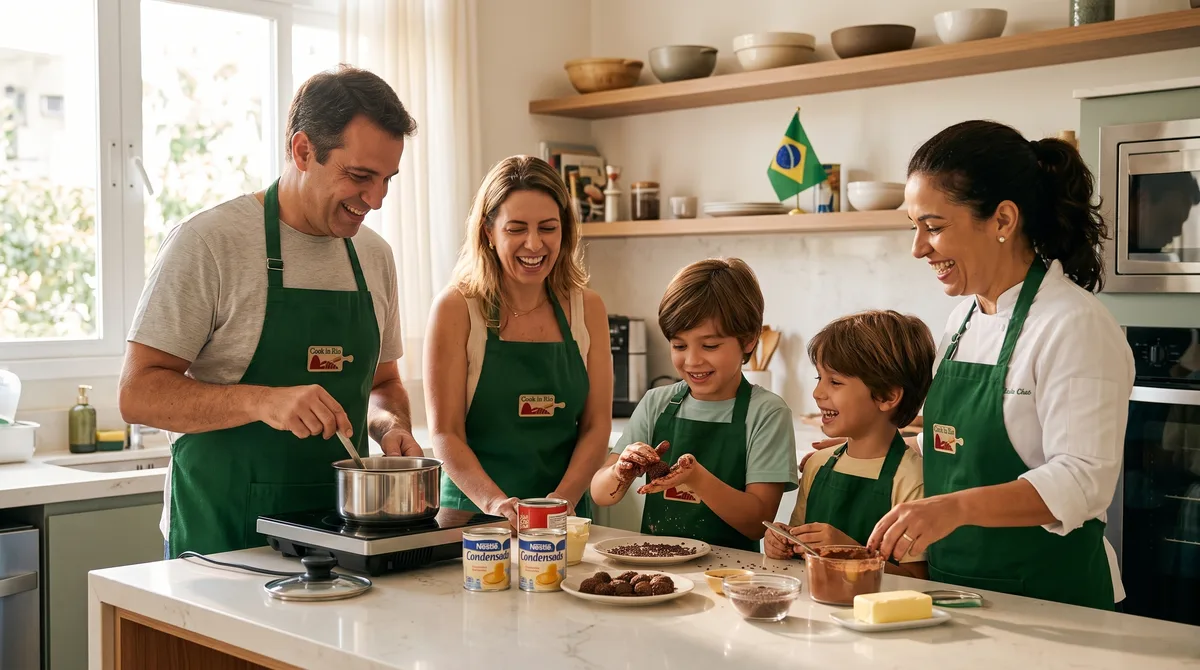
The coordinated smiles, orderly setting and ideal light pushed this direction toward conventional advertising. The brief prioritised the feel of a real participant’s cellphone snapshot over compositional beauty or professional polish.
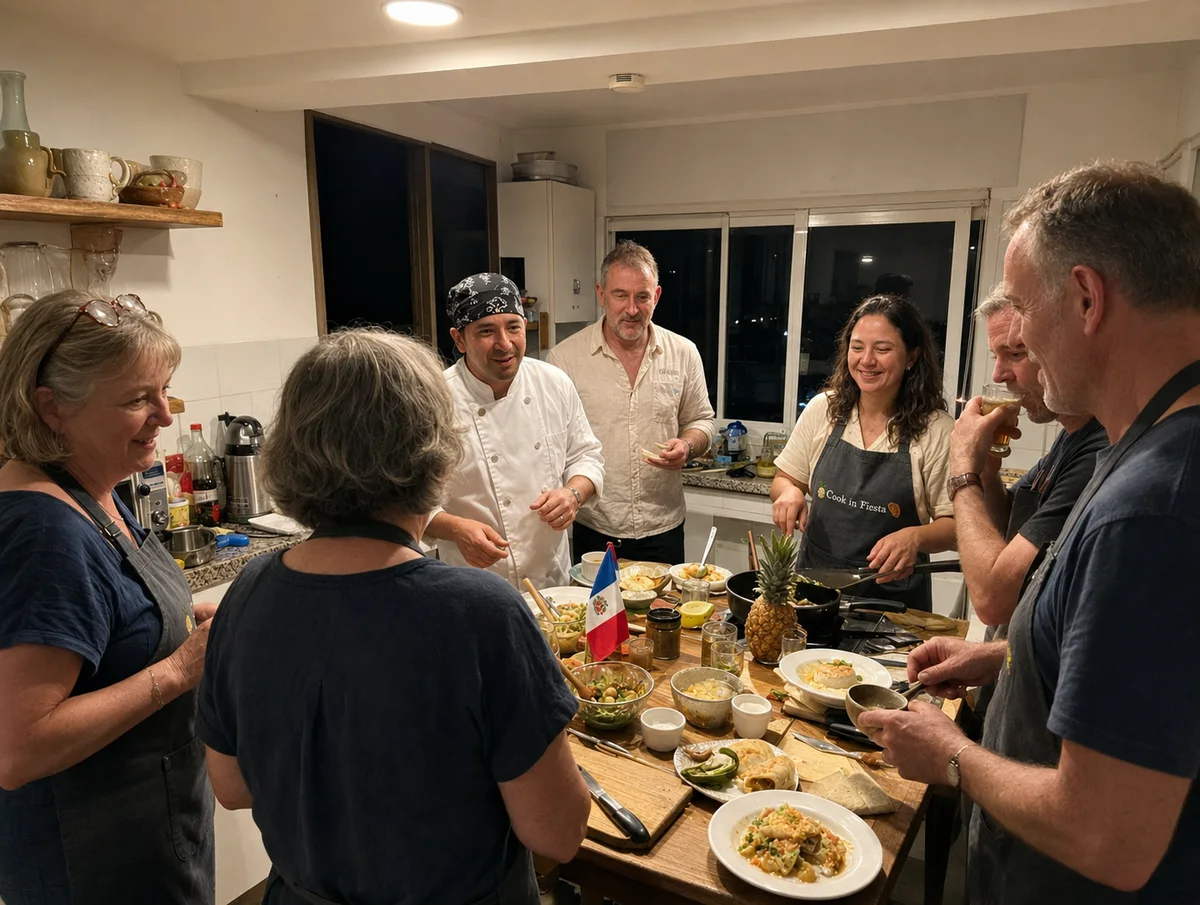
The selected direction centres on the activity: participants learning to prepare food around a working kitchen counter.
07 / SELECTED IMAGERY
Shared photographic rules. Different moments, environments and ways of experiencing food. All imagery in this selection was produced with generative AI and directed through review and refinement.

08 / OUTCOME & LEARNING
A repeatable approach to producing a coherent visual library across different culinary experiences.
The work connected real-location references, menus and casting to prompt generation, image production and a shared approval interface. Feedback could inform a new generation without losing the destination, the brand references or the photographic brief.
Authenticity required intentional choices, including the choice to make an image feel less polished.
Generative AI made the images possible.
Creative direction made them believable.